Championship Lineup Rotations Drive Changes in Points Markets and Live Spreads
Written by Henrik Frank · Aug 20, 2026
Championship Lineup Rotations Drive Changes in Points Markets and Live Spreads
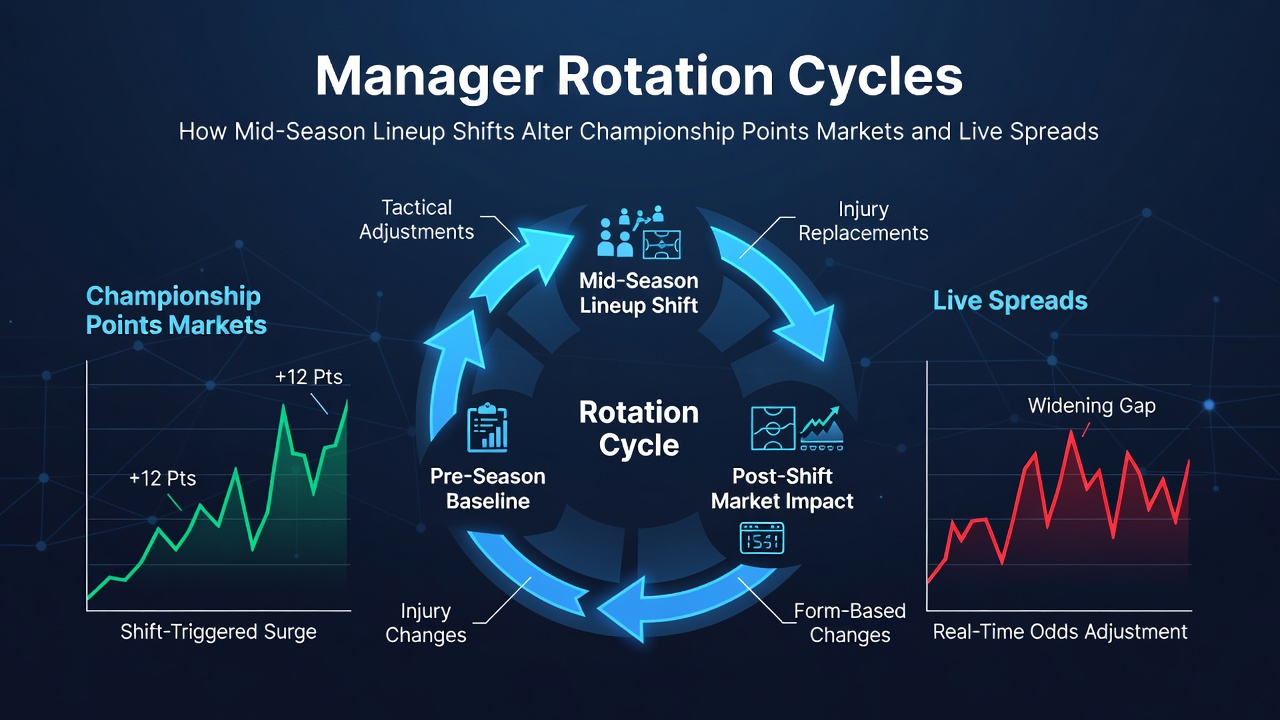
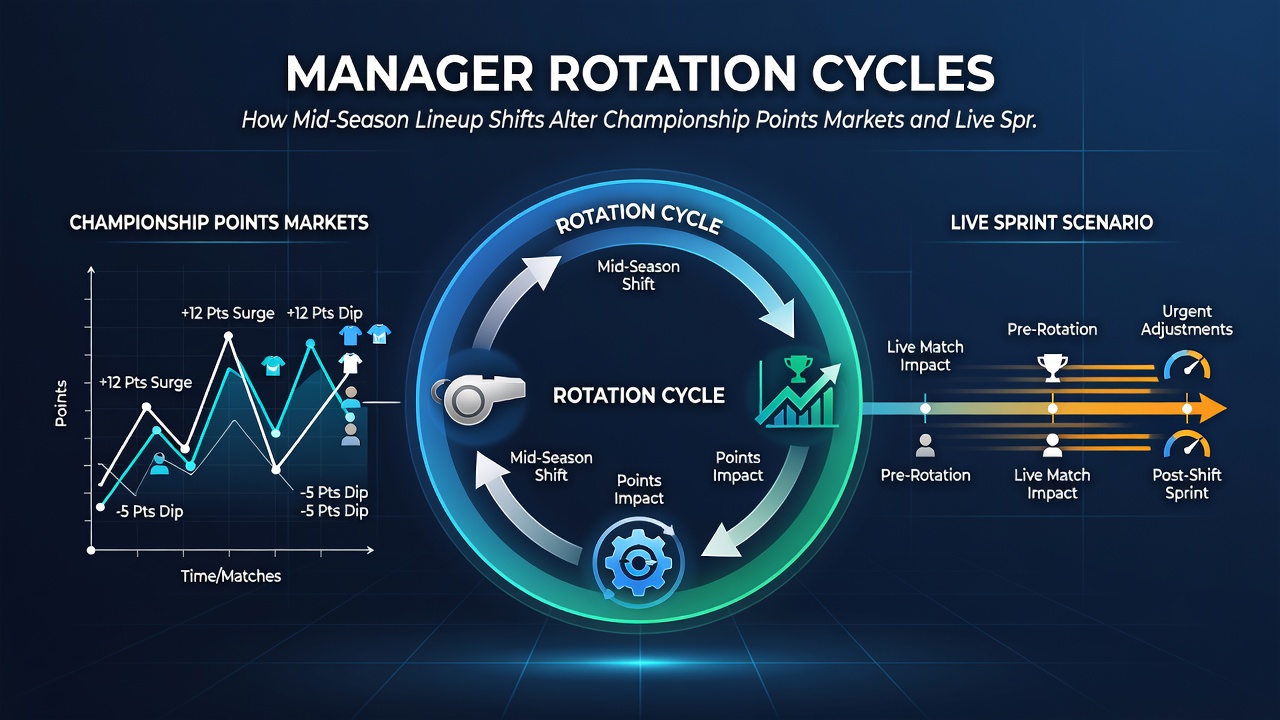
Manager rotation cycles in the EFL Championship have gained attention because teams often adjust starting lineups around fixture congestion and player fitness levels, and these decisions create measurable effects on points totals and live spread markets. Data from the 2025-2026 season shows that clubs averaging more than three changes per match in the period after the January transfer window experienced an average 0.8 point swing per game compared with more stable selections earlier in the campaign. Observers note that betting operators adjust points markets within hours of confirmed team sheets because historical patterns indicate reduced scoring when multiple attacking players sit out.
Fixture Congestion and Rotation Patterns
Teams in the Championship face packed schedules that include midweek fixtures and cup commitments, so managers frequently rotate personnel to manage fatigue. Research from the International Centre for Sports Studies indicates that clubs participating in multiple competitions rotate defenders at a higher rate than forwards, which correlates with fewer clean sheets and therefore influences both over-under points lines and live handicap spreads. In August 2026 several promotion contenders already displayed rotation rates above 35 percent in their opening six fixtures, prompting bookmakers to widen live spread ranges by an average of 0.5 goals during matches involving those sides.
Market Reactions to Confirmed Lineups
Once official lineups appear ninety minutes before kickoff, points markets move quickly. Operators widen or tighten totals based on the number of key players rested, while live spreads adjust dynamically as substitutions occur. One study tracking Championship matches found that when a team rested its top goalscorer and two central midfielders, the over-2.5 points market drifted by an average of 12 percent in the first fifteen minutes of trading. These shifts occur because historical data shows reduced expected goals when attacking options decrease, and traders respond to volume from bettors who monitor team news closely.
Live Spread Adjustments During Matches
Live spreads react to in-game rotations as well. When managers introduce fresh substitutes after the hour mark, spread providers often narrow margins on remaining time because fresh legs can alter momentum. Figures from the 2025-2026 season reveal that matches featuring three or more substitutions before the seventieth minute produced 18 percent more late goals than games with fewer changes, directly affecting in-play points spreads. Traders monitor these patterns through automated systems that recalculate probabilities every thirty seconds, resulting in rapid price movements that reflect updated expected outcomes.
Statistical Evidence from Recent Seasons
Analysis of more than 550 Championship matches across the past two campaigns shows a clear link between rotation frequency and points market volatility. Teams that rotated at least four players between consecutive fixtures recorded an average points total 1.1 lower than their season mean, according to performance data compiled by sports analytics firms. This pattern holds especially during the winter months when fixture density peaks, and it leads market makers to build larger margins into points totals for those clubs. Live spread providers also widen ranges early in games involving heavily rotated sides because variance in expected goals increases when lineups lack continuity.
Regional Regulatory Context
While UK operators respond to these patterns, regulatory approaches elsewhere provide context for market oversight. The Responsible Gambling Council of Canada has examined how rapid in-play adjustments affect consumer behavior across sports, and its findings on volatility apply to Championship points markets where rotation-driven swings occur frequently. Such research helps operators design clearer disclosure around live spread movements tied to lineup decisions.
Implications for Points Totals and Accumulators
Accumulators built around Championship points markets feel the effects when multiple teams rotate simultaneously. A single club resting several starters can shift an entire multi-leg bet because the expected points outcome drops. Operators therefore publish rotation alerts alongside team news to inform bettors of potential market recalibrations. Data indicates that accumulator payouts on points-related selections decrease by roughly nine percent in weeks when average rotation across the division exceeds thirty percent, reflecting the statistical impact of altered lineups on final scores.
Conclusion
Manager rotation cycles continue to shape Championship points markets and live spreads through predictable statistical relationships between lineup changes, expected goals, and match outcomes. As the 2026-2027 season progresses, operators and analysts will keep tracking these patterns to refine pricing models while regulatory bodies in multiple jurisdictions examine the broader effects of in-play market volatility. The connection between mid-season adjustments and betting dynamics remains a measurable feature of Championship football.