Recovery Rates in Set Pieces Alter Midweek Championship Betting Dynamics
Written by Bianca Schwarz · Aug 24, 2026
Recovery Rates in Set Pieces Alter Midweek Championship Betting Dynamics
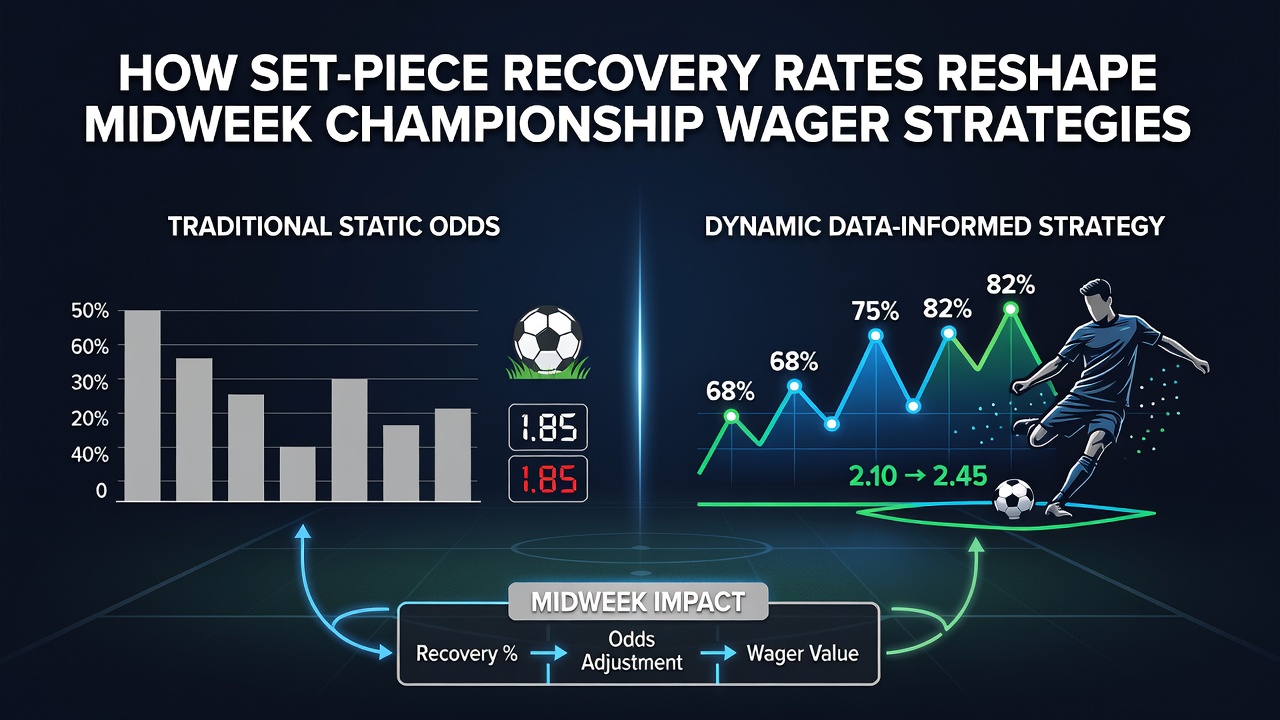
Analysts tracking EFL Championship matches have documented how set-piece recovery rates directly influence outcomes in midweek fixtures, where fixture congestion often amplifies small tactical edges. Teams that regain possession quickly after corners, free kicks, and throw-ins create repeated scoring opportunities while limiting counter-attacks, and these patterns have prompted bettors to adjust their approaches when evaluating odds for Tuesday and Wednesday games. Data collected across recent seasons shows that sides maintaining above-average recovery metrics within six seconds of set-piece concessions have posted stronger results in congested schedules.
Tracking Recovery Metrics Across the Championship
League-wide statistics compiled by performance analysis platforms reveal consistent trends in how quickly defenses reorganize after set pieces. Clubs averaging recovery rates above 62 percent in the first phase of play following opposition corners have recorded win percentages 8 points higher than the division average during midweek rounds. Observers note that these figures become particularly relevant when teams play their third match in eight days, because fatigue reduces the speed of defensive transitions and leaves gaps that sharp recovery teams exploit repeatedly.
August 2026 schedules already list several double-game weeks for promotion contenders, and early data from pre-season tournaments indicates that clubs emphasizing set-piece drills have improved their short-phase recovery numbers by an average of 4.7 percent compared with the prior campaign. Bettors reviewing these metrics alongside standard form tables have shifted allocations toward teams demonstrating rapid regains rather than relying solely on possession or shot-volume statistics.
Midweek Fixture Congestion and Tactical Adjustments
Midweek Championship contests frequently feature rotated squads, and this rotation affects how teams defend set pieces. Research from European football analytics groups indicates that sides resting key central defenders see their recovery rates drop by up to 11 percent, creating measurable opportunities for opponents who maintain high pressing intensity immediately after dead-ball situations. Wager markets have begun reflecting these patterns through adjusted goal lines and half-time result prices on platforms covering the division.
One case study from the 2025-2026 season involved a mid-table side that posted a 68 percent recovery rate after conceding corners yet struggled in two consecutive midweek outings when two starters were unavailable. The drop to 54 percent recovery coincided with three goals conceded from set pieces across those matches, prompting odds compilers to widen spreads for similar fixtures involving comparable absences. Bettors monitoring injury reports alongside recovery data have used such information to identify value in both team totals and clean-sheet markets.
Integrating Recovery Data Into Wager Construction
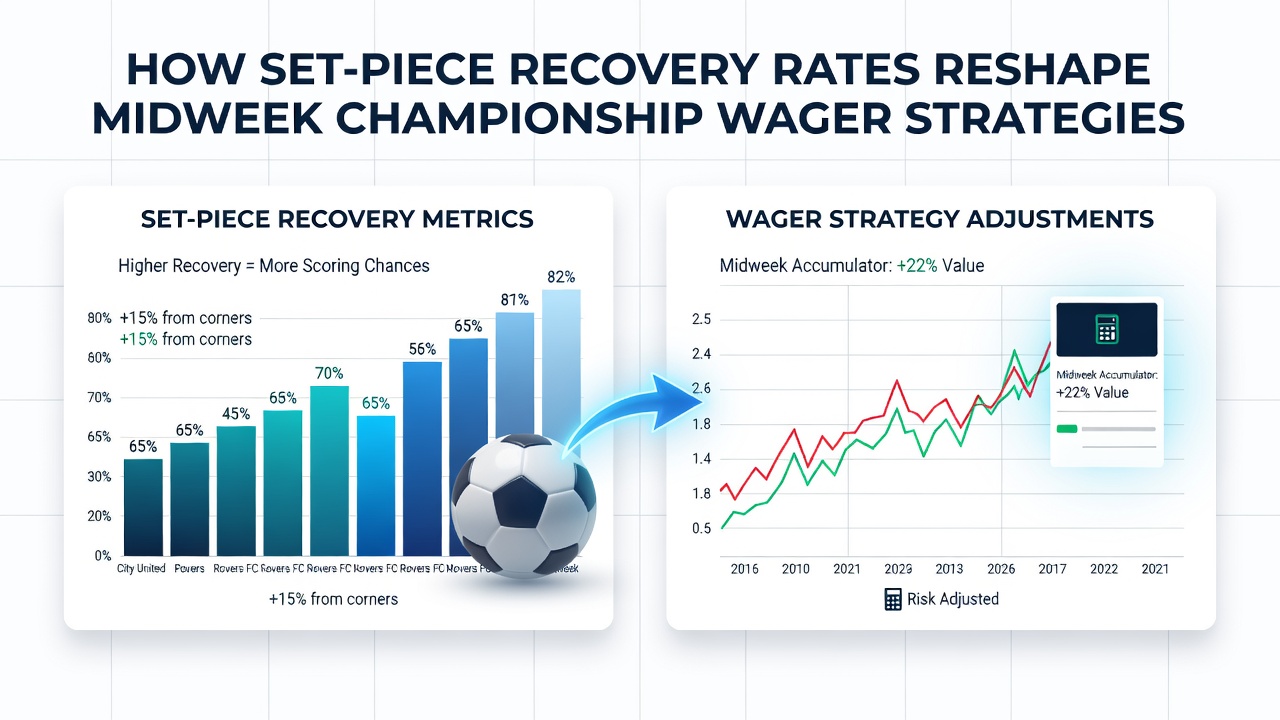
Market participants have started combining set-piece recovery percentages with expected goals models to refine accumulator selections for midweek rounds. According to figures released by the UEFA technical reports archive, teams that sustain recovery rates above 60 percent after set pieces generate 1.8 additional scoring opportunities per 90 minutes in away fixtures. This edge grows in midweek environments where pitch conditions and travel demands reduce overall technical quality.
Accumulator builders now cross-reference these metrics with historical results from August through October, when the fixture calendar typically features the highest density of midweek games. Data indicates that sides meeting both the recovery threshold and a minimum travel distance under 150 miles have covered the over-2.5-goals line in 67 percent of such matches. Those constructing multi-leg bets have therefore prioritized selections that align recovery strength with favorable scheduling rather than chasing headline form streaks.
Emerging Tools and Data Sources
Performance databases maintained by university sports science departments have begun publishing weekly recovery-rate dashboards focused on the Championship. These resources allow bettors to compare current-season numbers against multi-year baselines, highlighting teams that have improved or declined in set-piece transitions. One ongoing project at a Canadian institution tracking European second-tier leagues has identified a correlation between recovery improvements and points-per-game gains specifically in midweek slots.
Industry reports from the Sports Betting Research Network further show that markets for first-goalscorer and set-piece related props have incorporated recovery data into pricing, with odds shifting when teams demonstrate above-average regains in training footage released before midweek fixtures. Punters who follow these updates have adjusted stake sizing accordingly, moving away from static models toward dynamic frameworks that treat recovery rates as a leading indicator.
Conclusion
Recovery rates following set pieces have become a measurable factor reshaping how markets price and how participants construct wagers on Championship midweek matches. As data collection grows more granular and scheduling patterns repeat each August, those reviewing the numbers alongside rotation reports and travel demands continue to refine their approaches to these specific betting windows. The patterns documented across recent seasons suggest the metric will retain relevance as long as fixture congestion remains a defining feature of the division.