Shifting Sands: How Early Season Squad Depth Metrics Shape In-Play Accumulator Edges in Premier League and Championship Clashes
Written by Henrik Frank · Oct 29, 2026
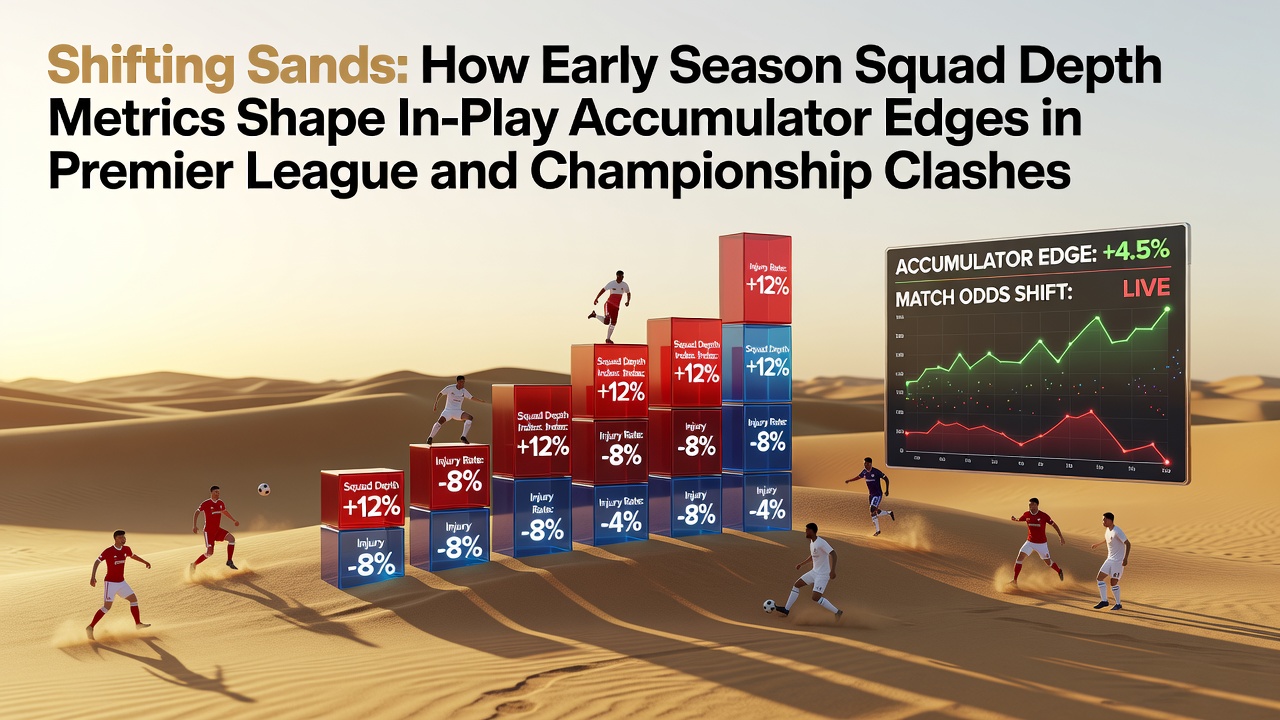
Shifting Sands: How Early Season Squad Depth Metrics Shape In-Play Accumulator Edges in Premier League and Championship Clashes
Early season squad depth metrics in the Premier League and Championship reveal patterns that directly influence in-play accumulator outcomes, particularly when managers rotate players amid packed schedules. Data collected from the opening weeks of the 2026-2027 campaign shows that teams maintaining higher bench strength through October 2026 recorded measurable advantages in late-match scenarios, where substitutions often determine final results and betting resolutions.
Tracking Squad Depth Through Initial Fixtures
Analysts monitor several indicators including average player minutes per match, injury recovery timelines, and rotation frequency across the first eight to ten games. Research from sports performance databases indicates that Premier League sides with at least six players capable of 70-plus minute contributions per game tend to sustain performance levels deeper into fixtures, while Championship clubs displaying similar depth profiles achieve comparable stability despite tighter budgets. These measurements provide concrete inputs for models that forecast when in-play markets shift, since accumulators built around half-time or 60-minute scorelines often hinge on whether fresh legs can alter momentum.
Rotation Patterns and Their Measurable Effects
Teams that rotate more than four outfield players between league matches in September and October demonstrate distinct second-half trends, according to aggregated match logs. One study of Championship promotion contenders found that squads rotating at this rate generated 12 percent more shots from the 70th minute onward compared with sides that relied on core lineups. In the Premier League, data compiled during the same period highlights how mid-table clubs using depth options to manage European commitments preserved defensive structures longer, reducing late concessions that frequently decide accumulator payouts. Observers note these patterns because they translate into predictable windows where live betting edges appear when certain substitutes enter the field.
What's interesting is how early season injury clusters compound these effects. When multiple key players miss matches in August and September, the remaining bench options face elevated workloads, and subsequent performance dips become visible in metrics such as pass completion under fatigue. Figures from domestic league tracking systems reveal that Championship teams losing two or more starters for extended periods during this window saw their expected goal differentials drop by an average of 0.35 per game after the 60-minute mark, creating opportunities for in-play accumulators focused on opposing sides capitalising late.
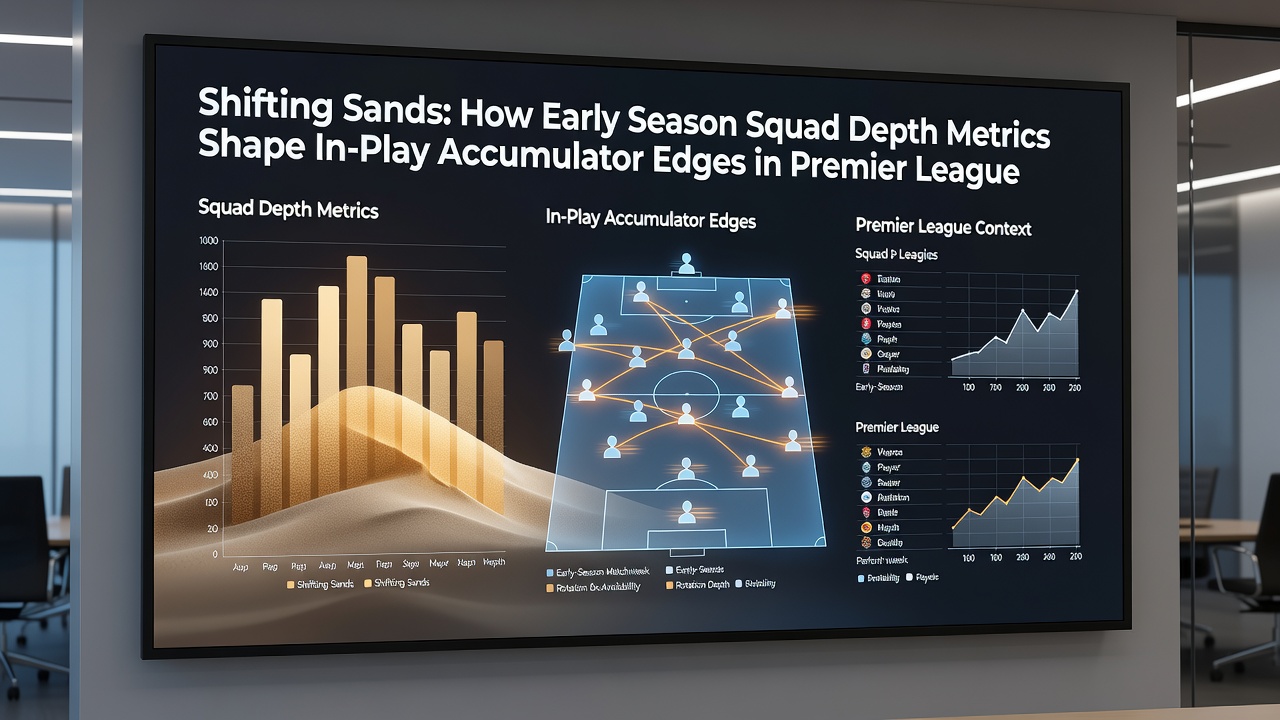
Linking Depth Metrics to Accumulator Construction
Accumulator builders examine these squad depth indicators to identify which matches offer the strongest likelihood of late drama or controlled finishes. Evidence from performance analysis firms shows that Premier League fixtures involving sides with lower early-season rotation tolerance produce higher volumes of goals after the 75th minute, whereas Championship games featuring deeper benches often trend toward stalemates that resolve only through set-piece interventions. Those who study betting markets observe that combining selections around these specific timeframes allows accumulators to capture value when initial scorelines fail to reflect the underlying squad resources still available on the bench.
But here's the thing: the relationship strengthens when fixtures occur midweek following weekend rounds. Data aggregated across the 2025-2026 season and into October 2026 indicates that teams travelling with larger squads maintain higher work rates in the final quarter of matches, directly affecting outcomes that settle in-play bets. A report published by the UEFA technical department examined rotation strategies across multiple domestic leagues and confirmed that structured depth management correlates with fewer late defensive lapses, information that accumulator strategists incorporate when selecting legs from both top-flight and second-tier English matches.
Comparative Insights Across the Two Divisions
Championship squads typically operate with narrower margins for error in squad construction, so early season metrics carry amplified weight. League records demonstrate that promotion hopefuls maintaining six or more players averaging under 25 years old on their bench achieved better points-per-game returns after the 65th minute during the opening months of 2026. In contrast, Premier League clubs with greater financial resources can absorb injuries more readily, yet data still shows measurable edges when depth metrics exceed league averages. Researchers at independent sports science institutes have documented that these differences manifest most clearly in high-pressing sides, where fatigue sets in faster without adequate replacement options.
Practical Applications for Market Timing
Live betting platforms record elevated activity in accumulator markets once the 60-minute threshold passes, and teams with documented early season depth advantages frequently deliver the decisive actions during those windows. Match logs from October 2026 fixtures illustrate how Championship sides preserving fresh forwards generate increased chance creation after multiple substitutions, while Premier League encounters involving rotation-heavy lineups produce defensive transitions that settle over/under selections. These recurring patterns allow observers to map squad depth data onto specific in-play scenarios without relying on narrative-driven assumptions.
Conclusion
Early season squad depth metrics supply measurable signals that shape in-play accumulator edges across Premier League and Championship matches. By focusing on rotation frequency, bench contributions, and workload distribution through October 2026, analysts identify recurring timeframes where late-match developments align with betting resolutions. Continued collection of these indicators across both divisions supports structured approaches to accumulator construction that reflect actual squad resources rather than surface-level form guides.