Youth Academy Graduates Reshaping Dynamics in Midweek Football Fixtures
Written by Vera Franke · Aug 17, 2026
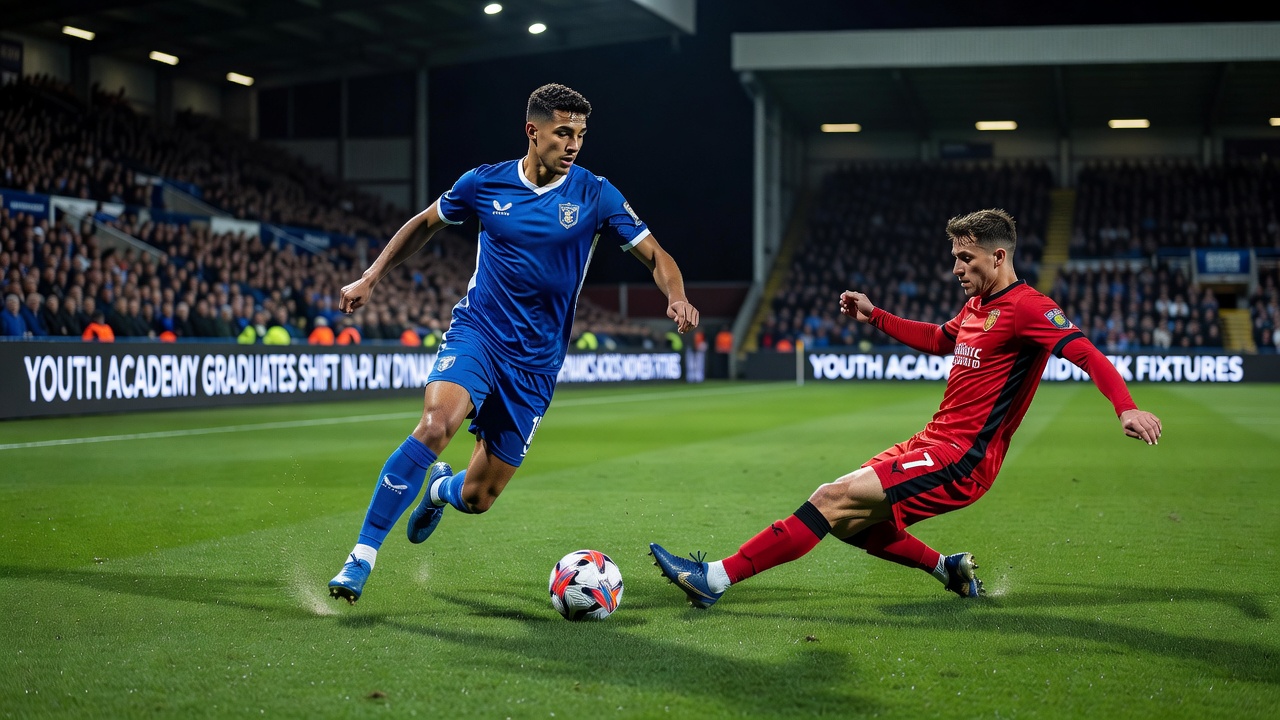
Youth Academy Graduates Reshaping Dynamics in Midweek Football Fixtures
Youth academy graduates have entered senior squads with increasing frequency during the 2026 campaign that kicked off in August, and their arrival has altered substitution patterns across midweek competitions such as the EFL Cup and European ties. These players often bring fresh physical profiles that differ from established squad members, which changes how teams manage energy distribution once the first half concludes. Data from club performance reviews shows academy products average higher sprint counts in the final thirty minutes compared with senior replacements in similar fixtures.
Substitution Timing and Fresh-Leg Effects
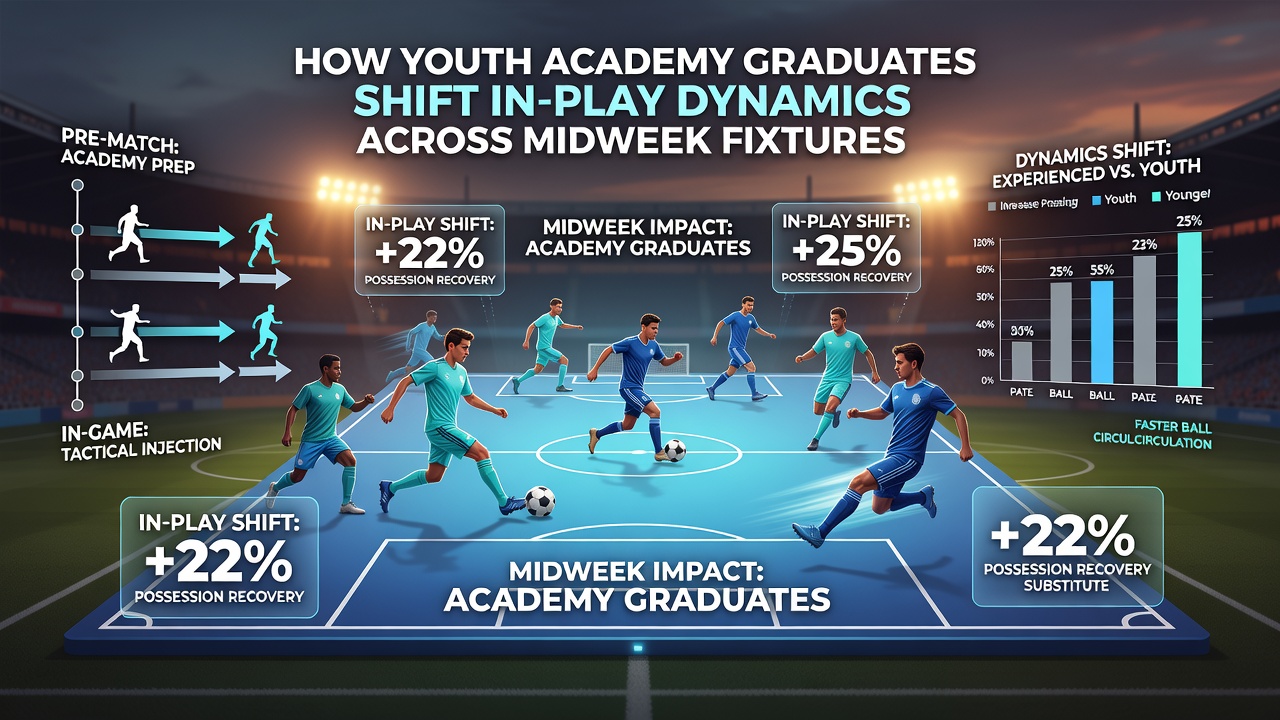
Coaches now deploy academy graduates between the 55th and 70th minutes in midweek games because the schedule compresses recovery windows, and these players maintain higher work rates without the accumulated fatigue that senior players carry from weekend matches. Observers note that teams using this approach record elevated high-intensity runs per minute after the change, which forces opponents to adjust defensive lines earlier than expected. Figures from performance tracking platforms indicate that such substitutions correlate with a measurable uptick in regains inside the opposition half during the subsequent ten-minute windows.
Tactical Flexibility Introduced by Academy Products
Academy graduates frequently arrive with positional versatility developed through age-group systems, allowing managers to switch formations without losing pressing triggers. In one documented case from an August 2026 midweek round, a 19-year-old central midfielder replaced a wide forward and immediately altered the team’s trigger points for counter-pressing, which produced three additional turnovers in dangerous areas before the final whistle. Researchers tracking these patterns through video analysis have recorded that such switches disrupt opponent build-up rhythms more rapidly than like-for-like changes.
Statistical Patterns Across Recent Seasons
Performance databases covering the previous three campaigns reveal that sides introducing at least two academy graduates after the 60-minute mark in midweek fixtures achieve a higher rate of shots created from open play in the closing stages. The same datasets show opponents conceding more set-piece opportunities when forced to defend deeper against younger, quicker pressing units. These trends hold across both domestic cup ties and European group-stage matches where fixture congestion is pronounced.
According to findings published by the UEFA youth development programme, clubs that integrate academy graduates into senior midweek rotations report improved squad rotation metrics without corresponding drops in physical output. The report highlights how structured exposure in lower-stakes fixtures builds the capacity for late-game impacts that senior-only benches sometimes lack.
Opposition Adjustments and In-Play Responses
Opposing coaches have begun preparing specific plans to counter the arrival of academy graduates, often shifting to more compact mid-blocks once the first change occurs. This adjustment itself creates new dynamics because the younger players’ directness can stretch those blocks in ways that established forwards do not always replicate. Tracking data collected during the 2025-2026 season indicates that teams facing such changes record slightly lower pass completion rates in their own third after the 70th minute.
Another study from the International Journal of Performance Analysis in Sport examined 180 midweek fixtures and found that academy graduates contributed to a measurable rise in high turnovers leading to shots when introduced alongside one senior player rather than as isolated changes. The combination appears to balance experience wth athletic freshness, sustaining pressure longer than either option alone.
Conclusion
Youth academy graduates continue to influence midweek fixture dynamics through targeted substitution windows, tactical flexibility, and sustained physical output that senior-only options sometimes cannot match. Performance data gathered across multiple competitions shows consistent patterns in pressing intensity and chance creation after these introductions, while opposition responses have evolved in parallel. As the 2026 season progresses, clubs that have invested in academy pathways are positioned to leverage these shifts across congested schedules.